
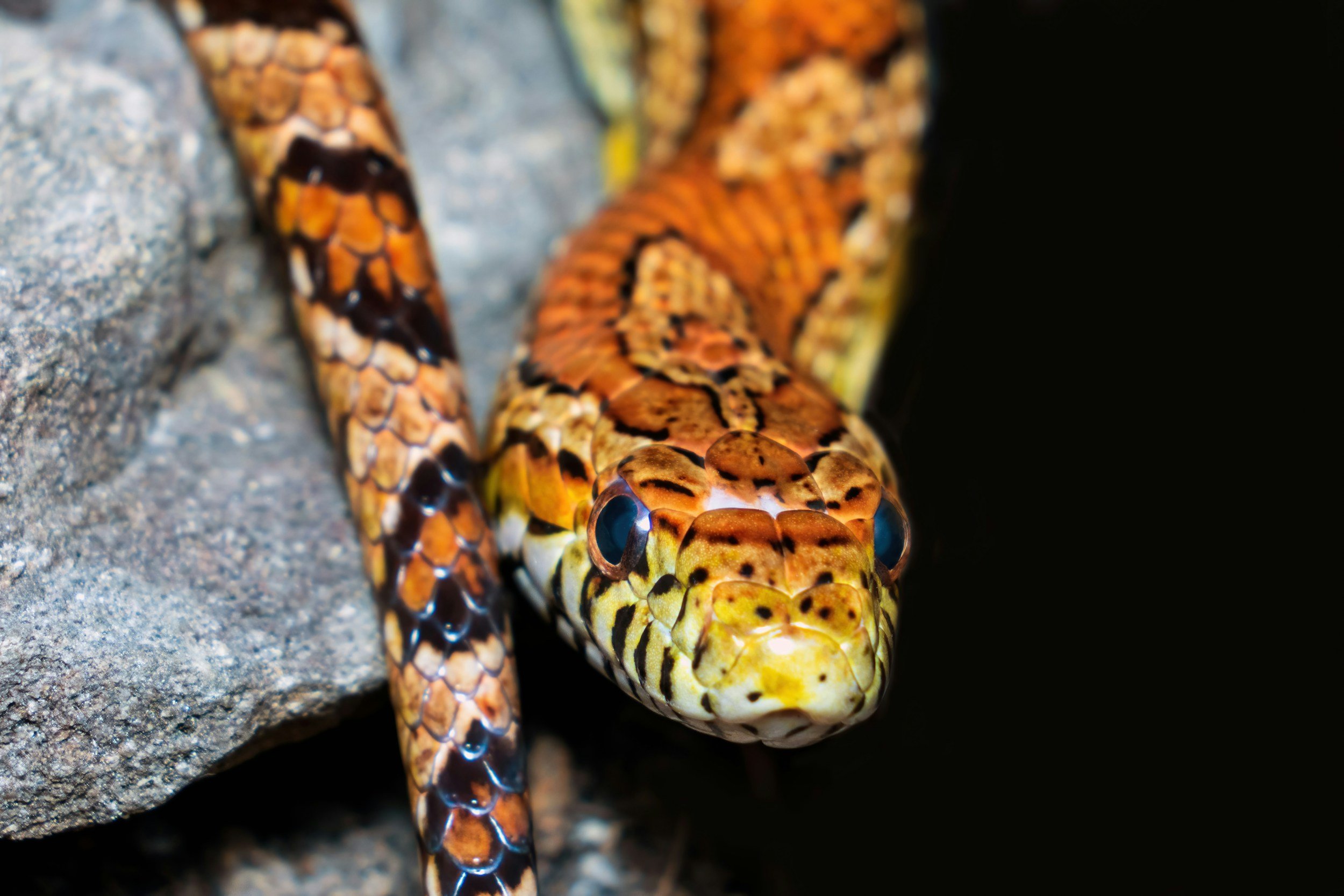
Owning Your First Reptile
Reptile One Academy
Reptile One Academy: Owning Your First Reptile
Owning your first reptile feels a bit like enrolling in a brand-new school—one where curiosity, patience, and responsibility are the core subjects. Welcome to Reptile Academy, where every shed skin is a lesson learned and every quiet moment teaches you how fascinating these ancient creatures truly are.
Day One: Choosing Your Classmate
Your journey at Reptile Academy begins with choosing the right reptile. Not all reptiles are created equal when it comes to beginner care. Leopard geckos, corn snakes, and bearded dragons often earn top marks for first-time owners thanks to their manageable size, calm temperaments, and clear care requirements.
This step is about honesty. How much space do you have? How much time can you dedicate? Reptiles thrive when their needs are met consistently, so choosing wisely sets you—and your new companion—up for success.
The Classroom Setup: Habitat Is Everything
At Reptile Academy, the enclosure is the classroom. Temperature gradients, proper lighting, humidity control, and hiding spots aren’t luxuries—they’re requirements. Reptiles depend on their environment to regulate body temperature and feel secure.
Learning how to set up and monitor a habitat teaches responsibility fast. Thermometers, heat lamps, UVB lights, and substrate choices become part of your daily vocabulary. It’s hands-on learning at its best.
Feeding Time: Lessons in Routine
Feeding your reptile is where science meets discipline. Whether it’s insects, vegetables, frozen-thawed rodents, or a mix of foods, diet matters. You’ll learn schedules, portion sizes, and nutritional balance.
At first, feeding can feel intimidating—but it quickly becomes rewarding. Watching your reptile thrive because of the care you provide is one of the most satisfying lessons Reptile Academy offers.
Handling & Trust: Building a Bond
Reptiles aren’t cuddly in the traditional sense, but they do recognize calm and consistency. Gentle handling teaches patience and respect for boundaries. Over time, your reptile learns that you’re not a threat, and you learn to read subtle body language.
This is where many students realize something important: trust doesn’t have to be loud to be meaningful.
Health Class: Observation Is Key
At Reptile Academy, you become both student and caretaker. You’ll learn to spot signs of stress, dehydration, or illness—changes in appetite, posture, or shedding patterns. Regular cleaning and observation become second nature.
This attentiveness sharpens your awareness and builds confidence in your ability to care for another life.
Graduation Day (Spoiler: It Never Ends)
There’s no real graduation from Reptile Academy—just continuous learning. As seasons change and your reptile grows, so do their needs. What starts as a beginner’s journey often turns into a lifelong passion for reptiles, conservation, and education.
Owning your first reptile teaches more than care instructions. It teaches patience, responsibility, and appreciation for creatures that experience the world differently than we do.
Welcome to Reptile Academy—class is always in session. 🦎
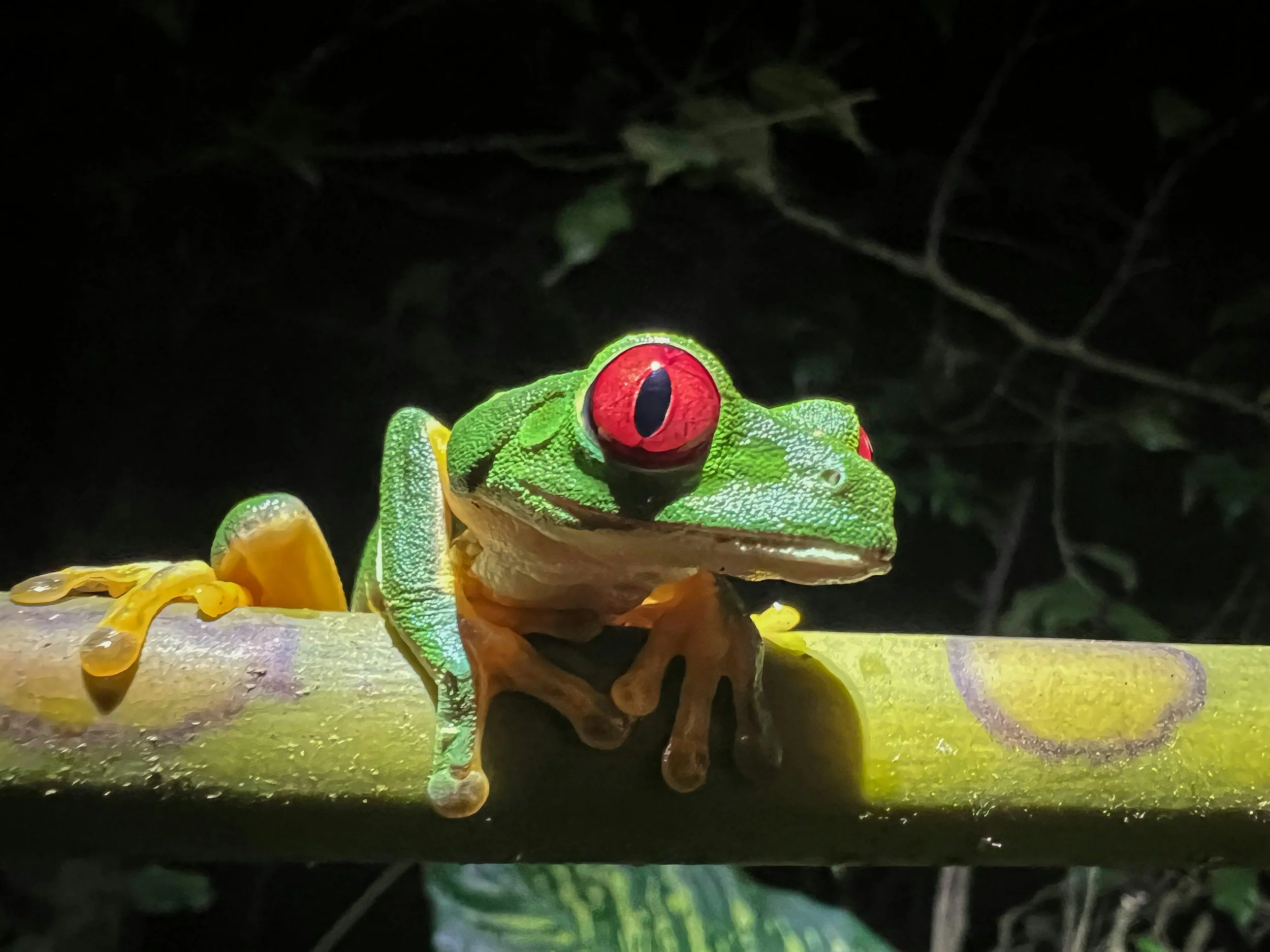
Owning Your First Amphibian
The Reptile One Academy - Frogs, Toads and more.
Reptile One Academy: Owning Your First Amphibian
Owning your first amphibian feels like stepping into a quieter, more delicate wing of the animal world—one where moisture, subtlety, and observation are the main subjects. Welcome to Amphibian Academy, where tiny movements matter, environments must be just right, and patience earns you the best grades.
Day One: Choosing Your Study Partner
Your first lesson at Amphibian Academy is selection. Amphibians can be more sensitive than reptiles, so beginner-friendly species are key. African dwarf frogs, fire-bellied toads, and axolotls are popular starters thanks to their clear care requirements and relatively hardy nature.
This choice is about balance: space, time, and commitment. Amphibians absorb much of their environment through their skin, which means your care must be consistent and precise from the very beginning.
The Classroom Setup: Mastering Moisture
If reptiles teach temperature, amphibians teach humidity. The enclosure is your laboratory. Clean, dechlorinated water, proper filtration, damp substrates, live plants, and secure hiding places all work together to create a safe habitat.
Learning to manage water quality, humidity levels, and cleanliness becomes a daily lesson. At Amphibian Academy, even small changes can make a big difference.
Feeding Time: Small Meals, Big Impact
Feeding amphibians introduces you to live and frozen foods—bloodworms, brine shrimp, small insects, and specialty diets depending on the species. Timing and portion size are critical, as overfeeding can be just as harmful as underfeeding.
Watching your amphibian hunt or feed is a reminder that nature’s design doesn’t need flash to be fascinating.
Handling & Respect: Look, Don’t Touch
One of the most important rules at Amphibian Academy is restraint. Many amphibians have permeable skin that absorbs oils, chemicals, and bacteria. Handling is kept to a minimum and only when necessary, using clean, wet hands or gloves.
This lesson teaches respect in its purest form—understanding that care doesn’t always mean interaction.
Health Class: Cleanliness Is Care
Observation is your strongest tool. Changes in skin color, activity levels, appetite, or posture can signal problems. Routine tank maintenance, water changes, and careful monitoring help prevent illness before it starts.
Amphibians reward attentiveness with longevity and quiet resilience.
Graduation Day (It’s a Lifelong Course)
Like all good academies, Amphibian Academy never truly ends. As your amphibian grows and your skills improve, you’ll refine your setup and deepen your understanding of these ancient, often overlooked animals.
Owning your first amphibian teaches precision, patience, and empathy. It’s a journey defined by calm moments and subtle victories.
Welcome to Amphibian Academy—where the smallest details earn the highest marks. 🐸
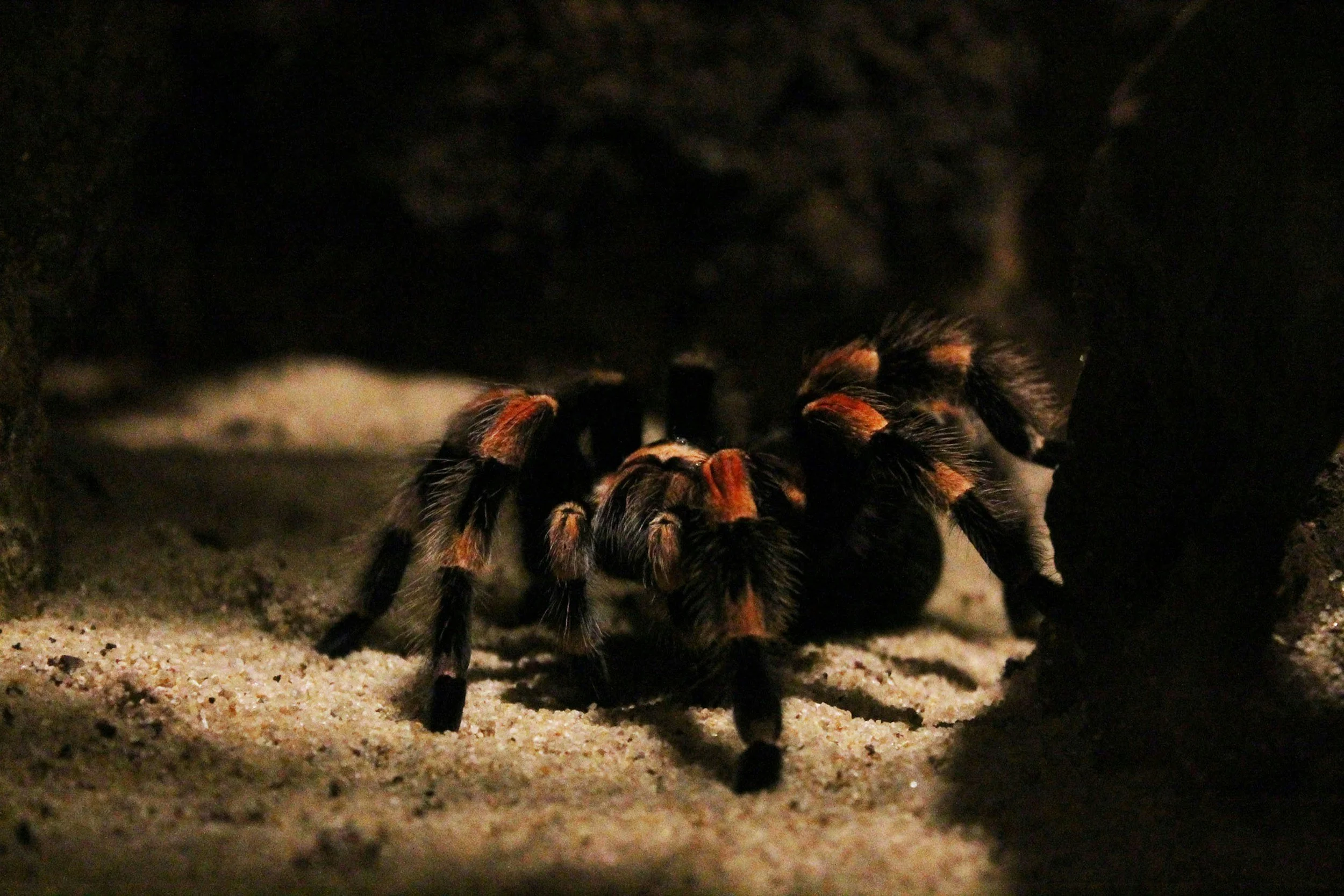
Owning Your First Arachnid
The Reptile One Academy - Spiders and Scorpions
Reptile One Academy: Owning Your First Arachnid
Owning your first arachnid feels like entering a misunderstood department—one where observation outweighs interaction and calm confidence replaces fear. Welcome to Arachnid Academy, where eight legs teach you patience, respect, and a whole new way of appreciating life.
Day One: Choosing Your Specimen
Your first lesson at Arachnid Academy is selection. Not all arachnids are suitable for beginners, so starting with the right species matters. Chilean rose tarantulas, curly hair tarantulas, and emperor scorpions are common entry-level choices thanks to their manageable temperaments and straightforward care.
This decision is about realism. Arachnids aren’t pets you handle often—they’re pets you observe. Choosing with that mindset sets the tone for everything that follows.
The Classroom Setup: Simple, Secure, Correct
At Arachnid Academy, less is often more. Enclosures focus on security, proper substrate depth, ventilation, and species-appropriate humidity. Hiding spots aren’t optional—they’re essential for reducing stress.
You’ll learn that stability beats complexity. A well-maintained, correctly sized enclosure does far more than a decorative one.
Feeding Time: Precision Over Frequency
Feeding arachnids is a lesson in moderation. Crickets, roaches, mealworms, or other feeder insects are offered on a schedule that matches growth and species needs. Overfeeding can be just as dangerous as neglect.
Watching an arachnid hunt is a reminder of nature’s efficiency—no wasted movement, no unnecessary effort.
Handling & Safety: Observation First
One of the most important rules at Arachnid Academy is minimizing handling. Arachnids are fragile, easily stressed, and capable of defensive responses. Most learning happens with the enclosure lid closed.
This teaches respect and caution—understanding that trust isn’t built through touch, but through providing a safe, consistent environment.
Health Class: Reading Subtle Signals
Arachnids rarely show obvious signs of distress, so attention to detail is critical. Changes in posture, appetite, molting behavior, or webbing patterns are your clues. Clean enclosures and proper humidity help prevent most issues before they start.
At Arachnid Academy, observation is the final exam you take every day.
Graduation Day (There’s Always More to Learn)
There’s no final diploma at Arachnid Academy—just growing confidence and deeper understanding. As your arachnid molts and matures, you learn to adjust care, respect cycles, and appreciate stillness.
Owning your first arachnid teaches calm, control, and appreciation for creatures often judged unfairly.
Welcome to Arachnid Academy—where patience earns the highest grade. 🕷️
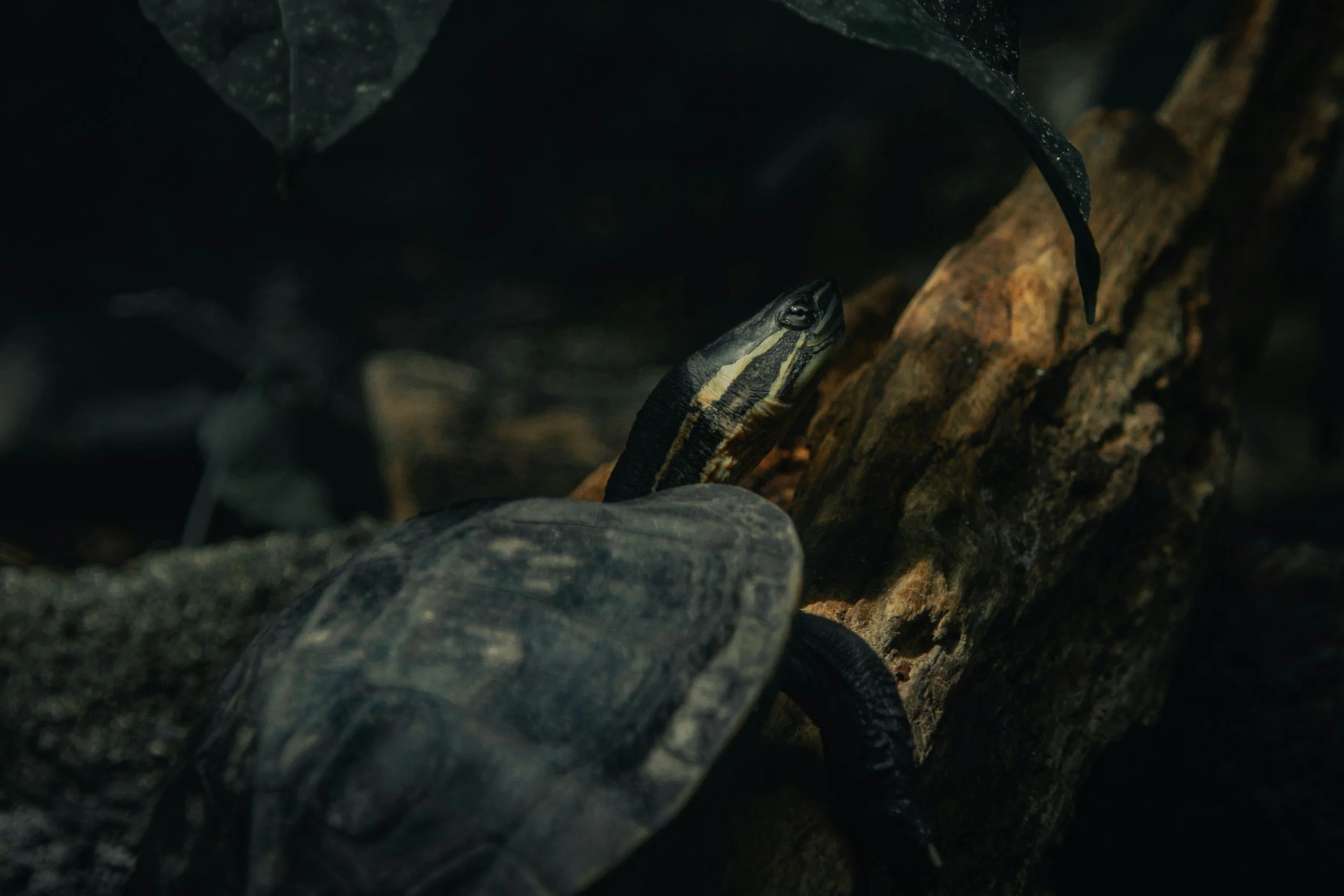
Owning Your First Turtle
The Reptile One Academy - Turtles
Reptile One Academy: Owning Your First Turtle
Owning your first turtle feels like enrolling in a long-term course—one where patience, consistency, and planning are the core curriculum. Welcome to Terrapin Academy, where slow movement hides remarkable intelligence and good care is measured in years, not weeks.
Day One: Choosing Your Shellmate
Your first lesson at Terrapin Academy is choosing the right turtle. Freshwater and semi-aquatic species such as musk turtles, painted turtles, and map turtles are common beginner choices when cared for properly. These aren’t short-term pets—many terrapins can live for decades.
This decision is about commitment. Space requirements, filtration, and long-term costs all matter. At Terrapin Academy, thinking ahead is part of the entrance exam.
The Classroom Setup: Land, Water, Balance
A turtle’s enclosure is both classroom and campus. Clean, well-filtered water, a dry basking area, heat lamps, and UVB lighting work together to keep your turtle healthy. Water depth must allow safe swimming, while basking spots must be easy to access.
You’ll quickly learn that turtles are messy students. Strong filtration and regular maintenance are non-negotiable lessons.
Feeding Time: Variety Builds Strength
Feeding turtles introduces you to balance. Pellets, leafy greens, aquatic plants, insects, and occasional protein sources all play a role depending on age and species. Young turtles tend to prefer protein, while adults shift toward more plant-based diets.
Watching a turtle eat is slow but purposeful—every bite a reminder that consistency builds health over time.
Handling & Trust: Gentle and Minimal
At Terrapin Academy, handling is limited. Turtles tolerate interaction but don’t require it, and excessive handling can cause stress. When handling is necessary, proper support and clean hands are essential.
This lesson teaches respect for boundaries and the understanding that care doesn’t always mean closeness.
Health Class: Shells Tell a Story
A turtle’s shell is a report card. Smooth growth, firm scutes, and regular shedding indicate good health. Issues like soft shells, pyramiding, or lethargy often trace back to lighting, diet, or water quality.
Regular observation, tank cleaning, and vet checkups keep you ahead of potential problems.
Graduation Day (A Lifelong Enrollment)
There’s no graduation ceremony at Terrapin Academy—only long-term success. As your turtle grows, enclosures must expand, diets must adjust, and care routines evolve.
Owning your first turtle teaches patience, responsibility, and long-term thinking. These quiet, ancient animals reward steady care with decades of companionship.
Welcome to Terrapin Academy—where slow progress is still progress. 🐢